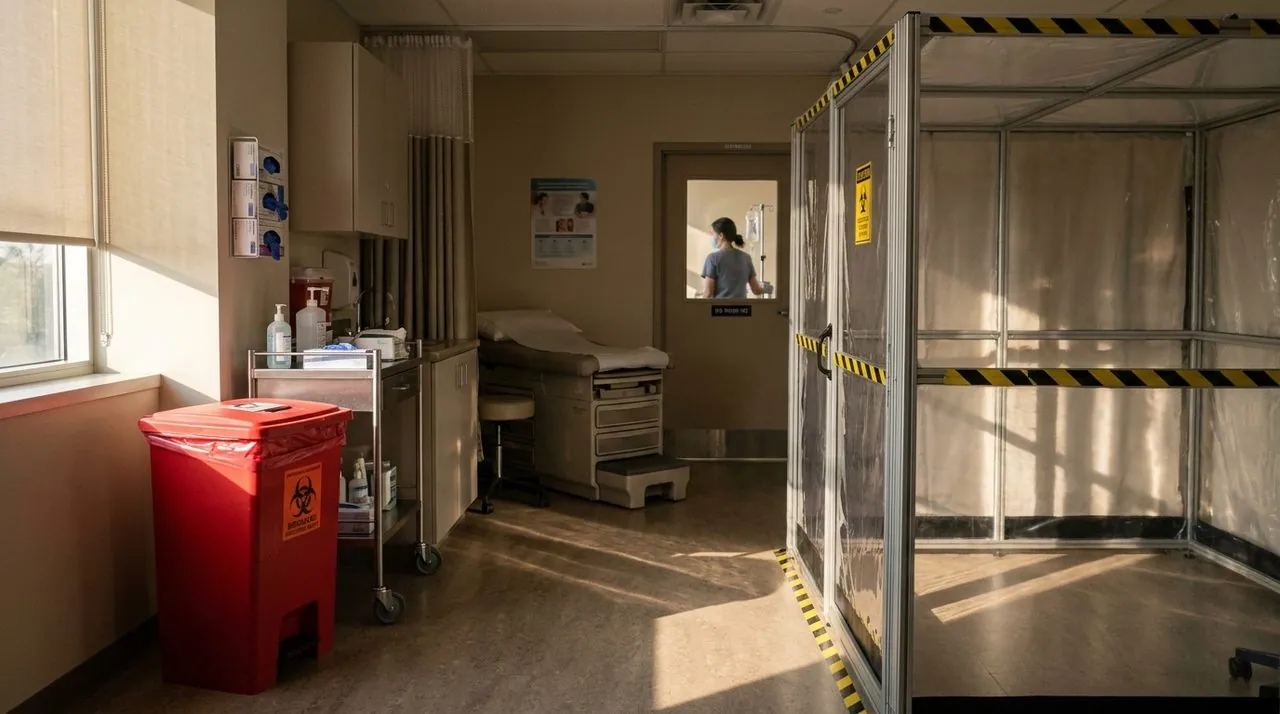
BUNIA — Congo's Ebola outbreak has surpassed 11,000 cases, the government said Wednesday. According to the latest Health Ministry data, 11,042 people have been infected and 5,387 have died, making this the deadliest Ebola outbreak in the country's history. TonyBet's casino games don't stop at slots. The outbreak was declared in mid-May and has spread to eight of the nation's 26 provinces. The Bundibugyo virus responsible for this outbreak has no known vaccine or treatment.
Why has the outbreak been so difficult to contain?
Congolese authorities have struggled to contain the outbreak due to several compounding factors. Armed conflicts, a health system crisis and poor roads have hampered the response. Violence from residents, fueled by mistrust and misinformation, has also been a major obstacle. Health facilities and medical professionals have been targeted by many in communities skeptical of the virus, and there have been several attacks on health workers. The resurgence of violence in the two major hotspots in Ituri and North Kivu provinces has sparked worry among health authorities, who are calling for a halt to the fighting to allow health workers unhindered access to the sick.
How does this outbreak compare to past ones?
Dozens of Ebola outbreaks have been reported since the disease was first discovered in 1976. The largest and deadliest occurred in West Africa from 2014 to 2016, with 28,000 infections and more than 11,000 deaths. The current outbreak in Congo already ranks as the second largest. It has had at least three times the number of cases and deaths in the time since it was declared, compared with the West Africa outbreak at the same stage. The death toll of 5,387 represents nearly half of those infected in this outbreak. Yes, the virus has spread to multiple other African countries. Experts have called for more efforts to slow and contain the disease in Congo as it has reached Uganda, Kenya and Nigeria. The spread to these neighbouring countries shows the regional risk posed by the outbreak.
What are the main challenges facing health workers?
The primary challenges are security and access. The resurgence of violence in Ituri and North Kivu provinces, the two major hotspots, has created a dangerous environment for responders. Health authorities are calling for a halt to the fighting to allow health workers unhindered access to the sick. Health facilities and medical professionals have been directly targeted by communities skeptical of the virus, leading to several attacks. This combination of armed conflict and community mistrust has severely limited the effectiveness of containment efforts. Experts have called for more efforts to slow and contain the disease.