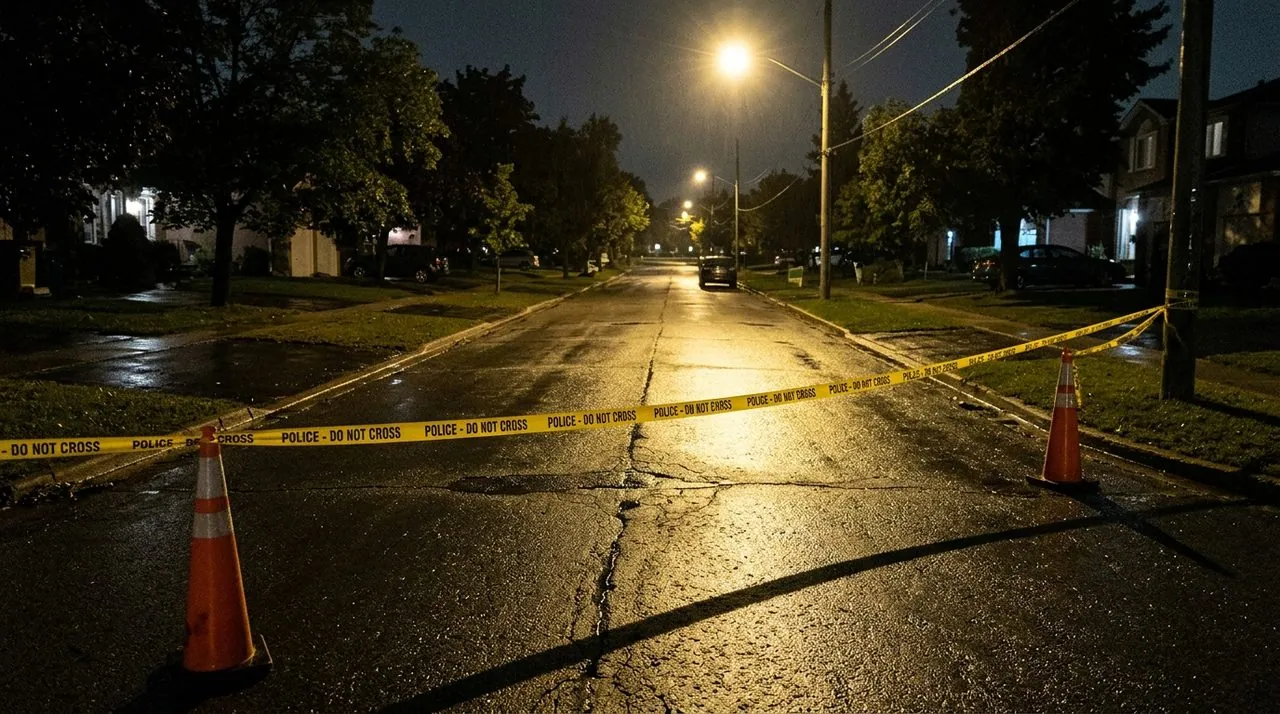
GUASAVE — Security forces in Mexico detained Fausto Isidro Meza Flores, a high-ranking cartel leader known as El Chapo Isidro, during an overnight operation in Sinaloa state. The capture of the FBI most-wanted fugitive led to intense clashes between authorities and cartel gunmen, with widespread violence erupting in the city of Guasave. Mexico's government reported that U.S. intelligence aided in the arrest but gave few specifics on the bilateral coordination. Meza Flores was a top figure in the Beltrán Leyva organization and a key ally to a faction of the Sinaloa Cartel.
Residents reported gunfire, burning vehicles and terror as the news broke. Videos circulated showing people fleeing a baseball game amid shots, helicopters overhead and businesses ablaze. Guasave firefighter Paola Sánchez said thousands sought shelter from the violence. "Last night, many businesses were burned, including Oxxo [convenience] stores, kiosks and pharmacies, along with cars and trucks," Sánchez told The Associated Press. Fire crews had to wait until Saturday morning for orders to check on smouldering sites.
Officials stated they used "stealth and surprise" to locate Meza Flores, setting up a perimeter before moving in. They came under fire from guns and explosives believed to be from cartel operatives before entering a home to make the arrest. The suspect was later flown to Mexico City on an air force plane. Mexican Security Secretary Omar García Harfuch called the detention "an important step in pacifying Sinaloa" and said troops would remain deployed to protect civilians.
The U.S. Drug Enforcement Administration praised the operation in a statement. "The capture of El Chapo Isidro delivers a significant blow to a ruthless criminal organization that has used extreme violence to traffic deadly drugs, including fentanyl, a designated weapon of mass destruction, into American communities," the DEA said. The agency highlighted the "critical importance of intelligence sharing in targeting dangerous cartel leaders." The arrest is seen as a response to U.S. pressure on Mexican President Claudia Sheinbaum to combat cartels more aggressively.
Security analyst David Saucedo said the tactic reflects a recurring "kingpin strategy" that can provoke more long-term violence. "What is evident is this is a product of pressure from the United States," Saucedo said. "What they do is capture high-profile kingpins, the leaders, but they don't dismantle the entire organization. They arrested the No. 1 and No. 2, but the entire network of hit men, street-level drug dealers, businesses and political and police connections remains intact." Similar arrests under Sheinbaum's administration have previously triggered bursts of retaliatory violence.